
On Christmas Eve 2025, an article from The Athletic graced my feed. It described a dystopian-like situation with a center from Nigeria by the name of James Nnaji committing to head coach Scott Drew and the Baylor Bears. At first glance, I thought it was just another article about a high-profile college commitment by an 18-year old high-schooler. However, James Nnaji is 21, and he was drafted with the 31st pick of the 2023 NBA Draft.
Nnaji has been playing in Spain and Hungary over his 4 season international career with his most notable playing time coming from FC Barcelona in 2023-24. With stable playing time in Spain and the fact that he technically had a contract with the Knicks due to the Karl-Anthony Towns trade, no one even had Nnaji on their radar to come play. However, as soon as the Baylor Bears called due to an injury to senior center Juslin Bodo Bodo, Nnaji finally crossed the ocean to play American basketball for four years of eligibility, the same as a 18-year old college freshman would.
The announcement sparked outrage across the country from pundits, former players and even current coaches. Michigan State Head Coach Tom Izzo spoke out against the situation in a press conference on Dec. 27.
“Shame on the NCAA,” Izzo said. “Shame on the coaches too, but shame on the NCAA, because coaches are going to do what they have to do, I guess. But the NCAA is the one. Those people on those committees that are allowing something so ridiculous and not think of the kid.”
Scott Drew responded to all of the critics of the signing in a press conference on Dec. 29, where he added that he was following the rules that have been established.
“We [coaches] don’t make the rules,” Drew said. “I don’t blame the NCAA because a lot of it’s about what they feel they can win in the courtroom.”
Drew’s comments are mostly defending himself from all of the backlash that his team is facing, rightfully pointing the finger at the NCAA, as the association routinely makes decisions to avoid massive lawsuits, most recently in the House v. NCAA settlement.
Nnaji’s signing isn’t the first former professional to go back to school, though. In women’s basketball, Kansas State signed Nastja Claessens after she’d been drafted in the third round of the 2024 draft. In the men’s game, guard Thierry Darlan for Santa Clara and guard London Johnson for Louisville were both given college eligibility after playing in the NBA G-League, the developmental league for young players. Johnson’s commitment drew notable ire from Izzo again when he committed to the Cardinals on Oct. 22.
“Maybe it’s me, maybe I’m the dummy, but I’ll never agree to that stuff,” Izzo said during his Oct. 21 press conference. “If you have three beards and two mustaches are you illegal? It hit a sore spot for me because the transfer portal is enough.”
Izzo brought up points about the transfer portal that coaches have been echoing for years. Since 2018, the institution of the portal has seen the departure of famous college coaches such as Mike Krzyzewski and Tony Bennett due to the new chaotic landscape of college basketball.
NIL rules supreme in college sports, simple as that. Nowadays, players are eligible to be paid for their name, image and likeness. Since the rule was passed in July 2021, college sports have been as chaotic as it can be, and the NCAA hasn’t stepped in to provide any support and clarification to coaches or general managers. If the NCAA isn’t stopping the coaches for recruiting professionals, then why should coaches not take every step they can to help their team win and keep their jobs?
This isn’t about vilifying Scott Drew and James Nnaji for doing what they can to win, although it could be seen as shady to be trying to recruit NBA draft picks. The onus is on the NCAA to have clearer guidelines as far as NCAA eligibility and the transfer portal. If a player has been international and comes to America to play college ball, that’s ok. However, if they have been drafted or have played for a professional league, they shouldn’t be able to play, nor should they get four years of eligibility.
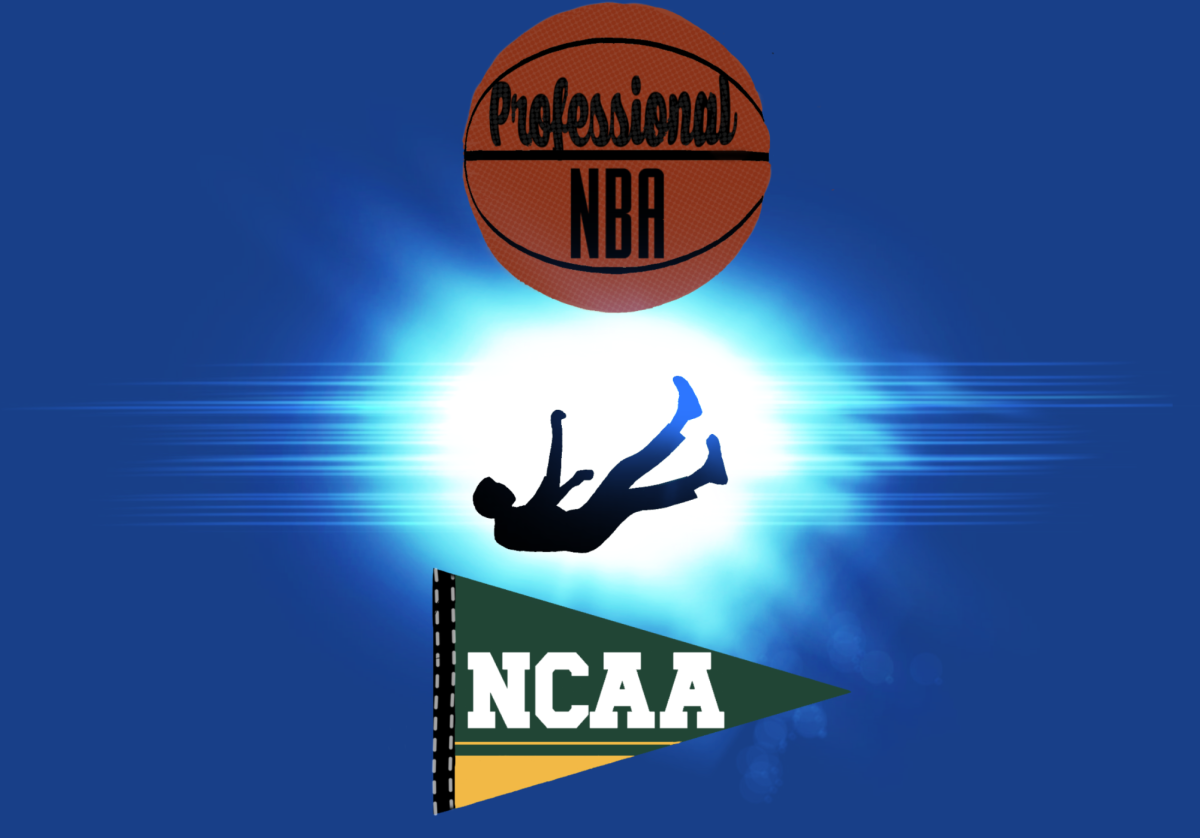
As the governing body of college sports, the NCAA needs to do better, or it could spell doom for the future of the beautiful sport of college basketball.