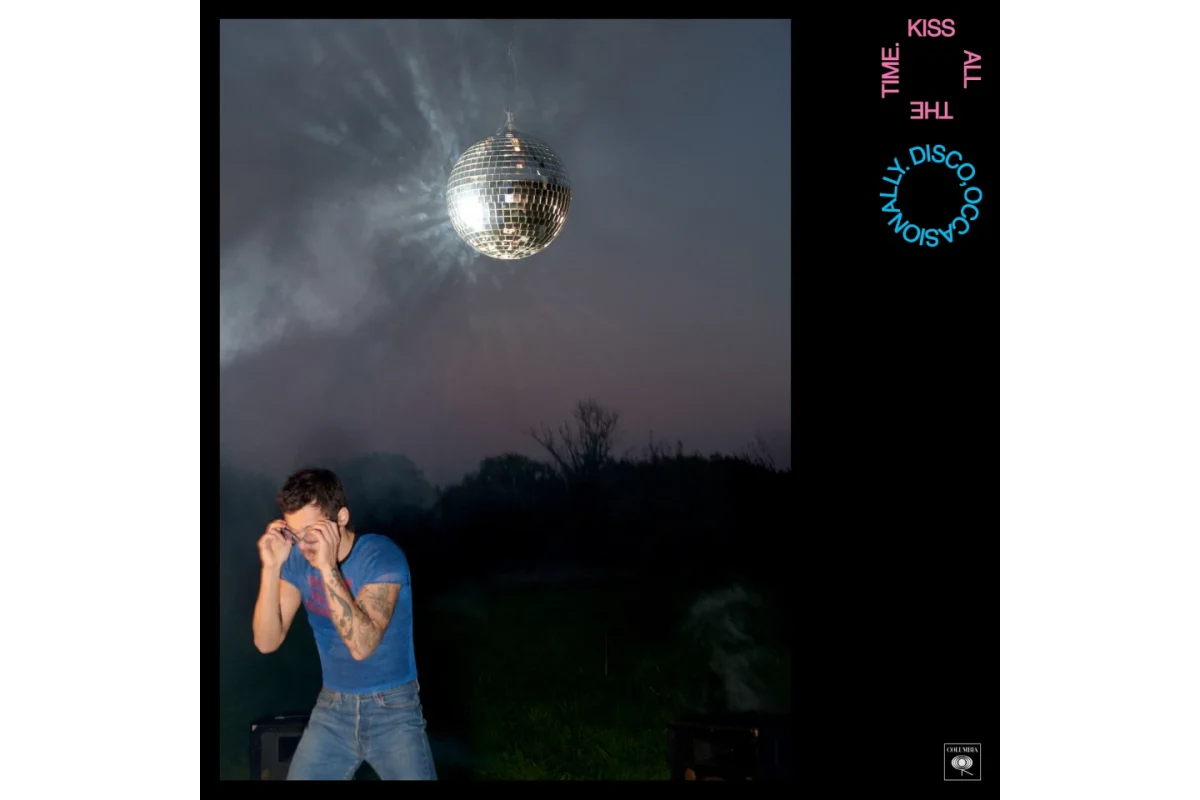


Noah Kahan released his fourth studio album, “The Great Divide” on April 24. The album seems to be a counter point of view from his last album, specifically the deluxe version “Stick Season (We’ll All Be Here Forever).” On “Stick Season”, Kahan urges his audience to move far away and that they aren’t trapped in their home town, while “The Great Divide” is from his family’s perspective dealing with the frustration and sadness they feel while they move far away. The album is full of bittersweet memories and the feeling of loneliness.
“Headed North” is one of the songs that demonstrates this theme the best. The song feels like a memory of a bunch of friends singing around a campfire. Kahan includes him messing up the instrumental at the beginning adding a sense of intimacy between him and the listener. The song itself is about someone close to Kahan hoping that he’ll come back home soon so he can fix the mess that he left behind.
The feelings of loneliness continue with “Porch Light” which uses repetition, a technique that Kahan is known to use, to emphasize the loneliness he feels. During the refrain, Kahan repeats “it’s cold” over and over again to eventually transition into saying “I’m alone.” Kahan does this again later in the song repeating “You’re a ghost” but this phrase abruptly ends jumping straight into the chorus.
One song that veers off of this theme is the leading single “The Great Divide”. Although it introduces the idea of leaving your home town it adds a sub idea. Kahan mentions his struggles with religion and never goes in depth with that struggle again throughout the album. In an album all about the feelings of loneliness this felt random. Even though the instrumental matches with the album, the message collides with the overall theme presented in the rest of the album.
Kahan’s classic style of new folk is strong throughout “The Great Divide” but two songs “Deny Deny Deny” and “Paid Time Off” embrace a different instrumental. “Deny Deny Deny” has an alternative start with strong drums and electric guitar, while “Paid Time Off” embraces a classic folk sound with the use of a fiddle. “Paid Time Off” is also the most upbeat song that highlights what most small town Americans want in life and how they are content with the simple things.
“Doors” is all about the conflicting feelings of moving away from home. The song is from the perspective of a person in Kahan’s life telling him that he’s allowed to leave. Lyrics like “I keep showin’ you doors, but you can’t open them up” is a perfect example of this analogy.
The beginning track “End of August” starts off with a somber piano accompanied by birds and crickets. The instrumental truly feels like the last day of summer. The song is an ode to Kahan’s hometown Stafford Vermont and the complicated feelings Kahan has about his hometown. This song sets the story of the album up while the last track “Dan” gives us a conclusion to it all. It’s an insightful track on how Kahan truly feels. It shows how though Kahan feels hatred towards his hometown he comes to the realization that maybe it isn’t so bad with Kahan singing “Where do we go when we die?/ I wouldn’t mind right here, I wouldn’t mind at all” during the chorus. This makes the album feel complete, the loose ends tied together in a powerful conclusion.
Unexpectedly Kahan released an extended version of the album the next day called “The Great Divide: The Last Of The Bugs” which added four songs to the original tracklist. Many expected an extended version of the album but so soon was shocking. In the past, Kahan’s extended versions have had around seven additional songs so just adding four feels kind of like a cash grab. Something also interesting about these bonus tracks is that they were sprinkled throughout the album and not tacked onto the end like previous releases.
One of the bonus tracks “Staying Still” stands out. The message of the song fits well with the rest of the album making it feel natural. The song is about how Kahan can’t stay and is always running away from his problems. It’s from the perspective of someone close to him begging him to “stay still” for them.
Though “The Great Divide” embraces a similar sound to Kahan’s past works, it stands out lyrically by giving the listener another perspective and a much needed conclusion to the complicated feeling Kahan has about his past.