

Protests, civil disobedience and acts of unity have always been key in the history of social movements. Despite how monumental events like this might seem, students have always been able to participate in voicing their opinions. However, many students sit dormant without the knowledge of what they can do even though they want to engage in activism.
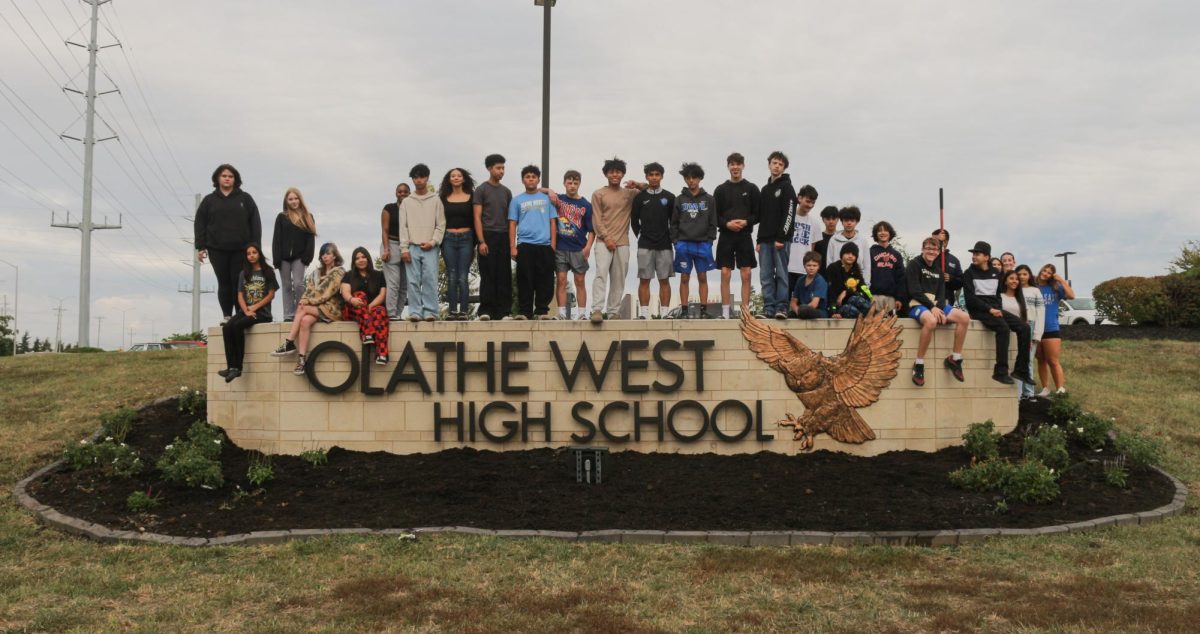
A great introduction is a common quote from Tinker vs. De Moines: “you do not leave your rights at the schoolhouse doors.” As a student, you will always have the right to voice concern as long as the school continues to function and your concern doesn’t violate school policy. Previously, Olathe West has had a walkout and protest against gun violence, and dozens of Kansas and Missouri schools, including West, have walked out to abolish ICE this year. The school system cannot punish you for supporting a cause that they disagree with.
In terms of walkouts, which have been prevalent lately, schools will punish you for missing class. What they cannot do is punish you more severely for the reasons you walked out. Essentially, it will be the same on your record as an unexcused absence, with varying length depending on how many classes you will miss. It is a first amendment violation if your school gives you further punishment for participating in a walkout than the standard for absences.
Sometimes, there is a demand for civil disobedience. For those looking to advocate for change without potential transcript issues, protesting during non-instructional time has the least amount of consequences. Protest off-campus, out of school hours and with advanced notice to school clubs and officials.
At a protest as a minor, there are significant “do’s” and “don’ts”. One of the most important things you need to do is remain nonviolent. Not only is there a possibility that you could risk unnecessary police involvement, you may also risk getting a misdemeanor on your permanent record. Another action to avoid would be blocking roads or traffic. One thing that helps tremendously is to get in contact with organizers and bring water or supplies. The larger the involvement behind the scenes, the larger the protest is perceived by the public.
As of March 6, 2026, Kansas senators have currently proposed to change expectations revolving around walkouts and protests. In order for students to leave class without disciplinary action, they would be required to get parental signatures akin to excused absences. Senate Bill 315 also punishes schools who fail to meet these expectations— requiring schools to meet the pay of their superintendent in fines for every day a walkout occurs. This could potentially foster an unhealthy and restrictive environment for students looking to use their first amendment rights under schools with small budgets. Similarly, it directly contrasts the Supreme Court case Tinker vs. Des Moines, which solidifies students’ first amendment rights when there is no significant disruption. Despite this bill being approved on the Senate level, the House has not yet passed it.
Peaceful protests have been protected in schools for decades. During the Vietnam war, students wore armbands to voice their intolerance for war conflict. The March For Our Lives movement took Parkville students to rally in one of the largest student marches. Thousands of Thailand’s students protested the government with a signature signal, organized through social media, and continued despite military pressure. There will always be an ongoing history of sit-ins, marches and walk-outs– the most powerful thing is knowing how you can get involved.