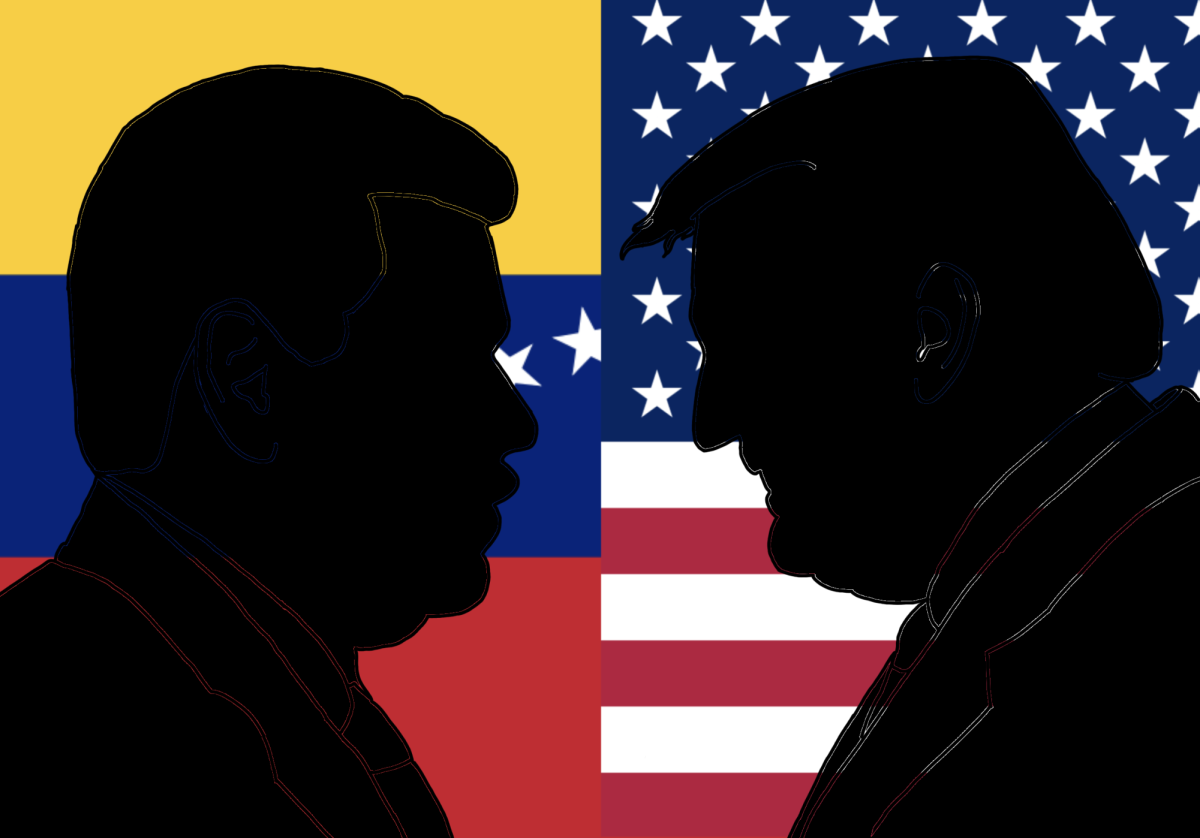
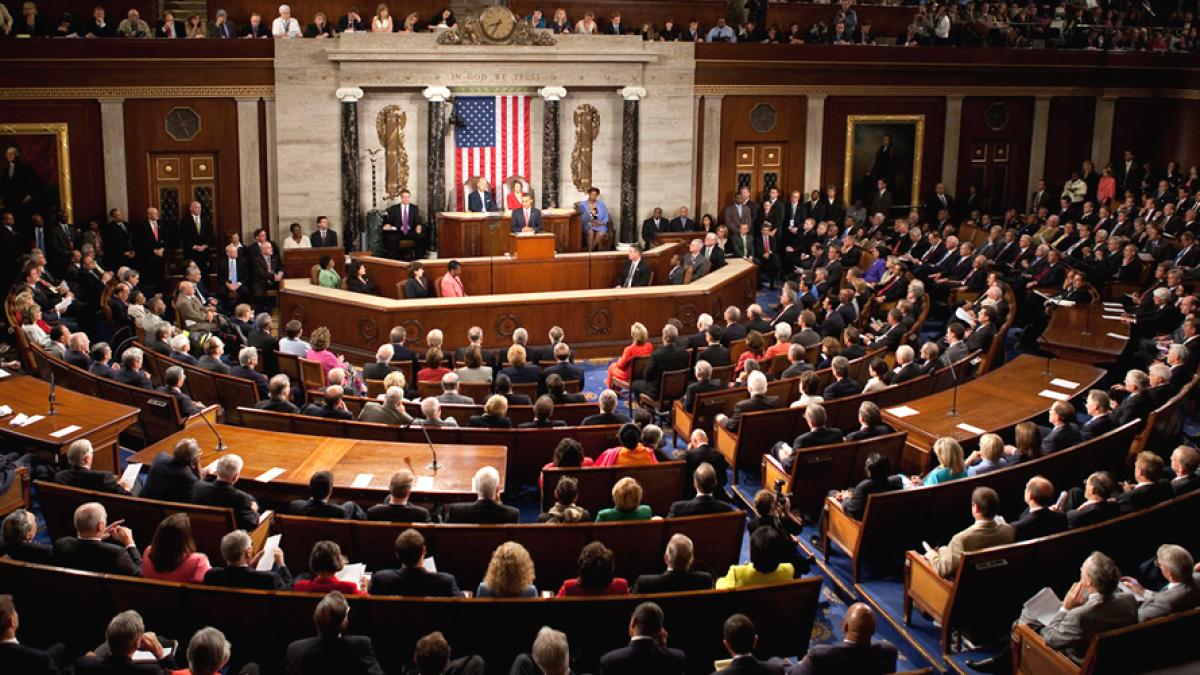
On Oct. 1, 2025, the US government was shut down, causing disarray across the nation. But what exactly does this mean for students, and what is a government shut down?
A government shutdown is when congress fails to pass or when the president refuses to sign a spending bill to fund the federal government’s operations; this causes many government functions to be temporarily disrupted. The government shutdown mostly affects non-essential federal employees, but not only does it affect these non-essential federal employees, it will also affect those who rely on the government, or businesses that also rely on the government.
Non-essential employees are typically furloughed; a furlough is essentially when a mandatory temporary unpaid leave for absence for employees, because of the lack of funding. When the shutdown ends, these furloughed employees will generally be given their pay back.
The federal employees who are not dependent on the annual appropriations bills (military service members, law enforcement agents, and air traffic controllers), these employees will continue to work.
However, there are federal employees who are named as excepted and whose funding heavily depends on appropriation bills, and these employees still have to work during the shutdown.
Government shutdowns not only affect these federal workers, but they also affect those at the state and local levels.
It also affects schools nationwide.
The U.S. The Department of Education has a contingency plan which is essentially when a federal department is ordered to develop a plan for which programs and services will continue and how the staff are supposed to adjust their work during the shutdown.
The contingency plan contains multiple different points: One of the first effects of the plan is that over 2,000 employees, about 90 percent of the department’s workforce, will be furloughed.
The reduced staff means that important departmental functions will be negatively affected which contains another drawback–that the Office For Civil Rights, a government office that enforces civil rights laws to prevent discrimination, will stop reviewing and investigating civil rights complaints. This includes operations that investigate discrimination and promote education.
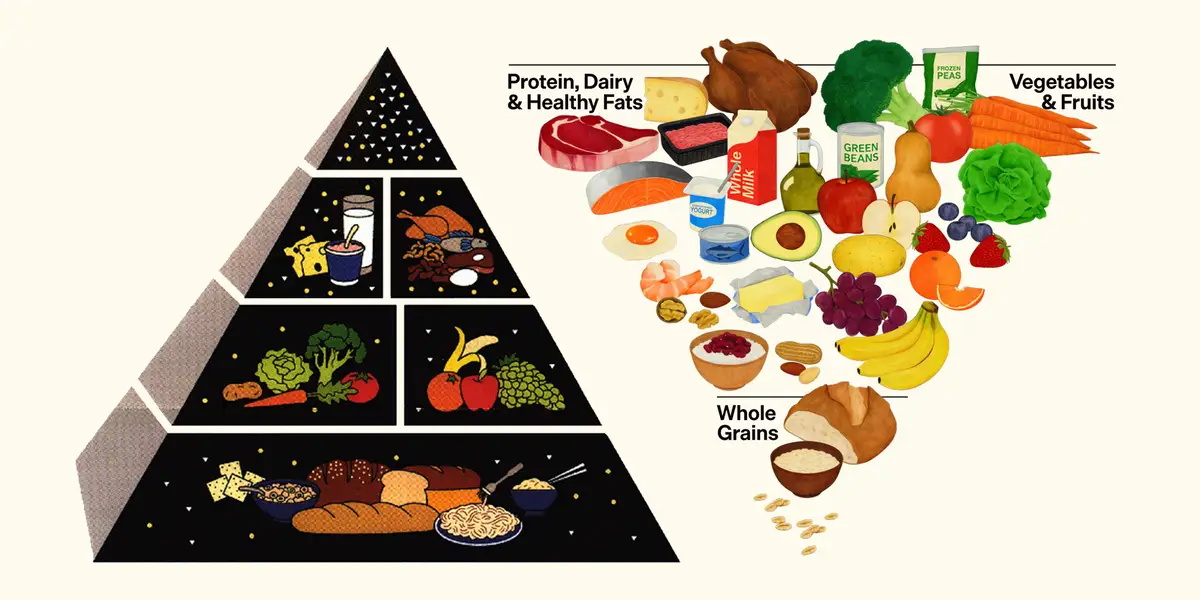
One of the most directly harmful things that comes from a shutdown is the suspension of SNAP benefits. When this shutdown took place, the government ordered for SNAP benefits to not be given out for November.
SNAP is an essential program that provides food and assistance to millions of families. According to 2025 statistics, in May of 2025, 41.7 million people in 22.4 million households were using SNAP benefits; this means that these 41.7 million people will all be affected by the SNAP benefits not given out.
On November 12th, 2025, President Trump signed a bill to reopen the government, after being shut down for 43 days with long lasting effects still in place.
One of these effects is that the bill only provides full-year funding for key federal agencies; all other agencies are funded at last year’s spending levels through January 30th, 2026, which creates another funding issue early in the year of 2026.
The furloughed workers during the shutdown were ordered to resume their work as normal, but still, cities anticipate that many of these operations will take time to resume their work.
SNAP benefits are back in place as well. Families within each state received benefits within a few days after the government reopening.
Though the government is reopening, the possibility of another government shutdown looms. When Trump signed the bill into place, it was to fund federal programs until January 30th, which poses the threat of another shutdown beginning again at the end of January if congress fails to pass another funding bill for these programs. This would again include SNAP benefits and the aforementioned departments.