

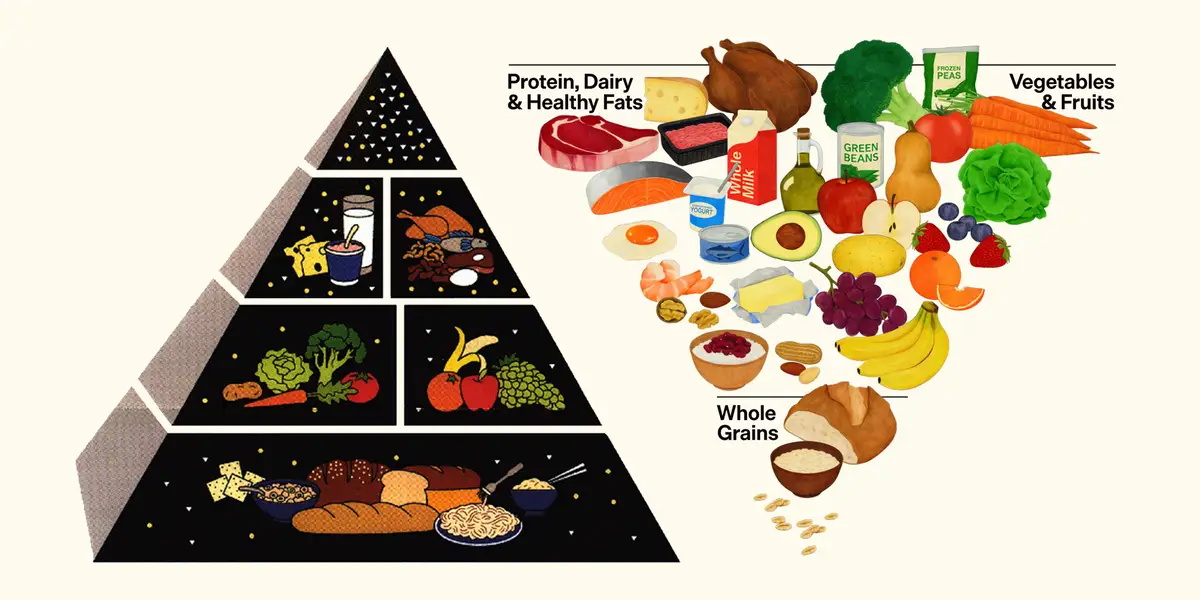
Fostering a healthy and active lifestyle starts with a well-rounded diet. There are many different versions of nutrition guidelines adopted around the world, including MyPlate. Posters of MyPlate have been plastered around school lunchrooms since its adoption in 2011. Its simple design allowed for people—especially children—to interpret what a healthy lunch looked like. The system from the United States Department of Agriculture (USDA) has set the nutrition standards for schools across America for years but with the progression of the Trump Administration, some big changes are coming.
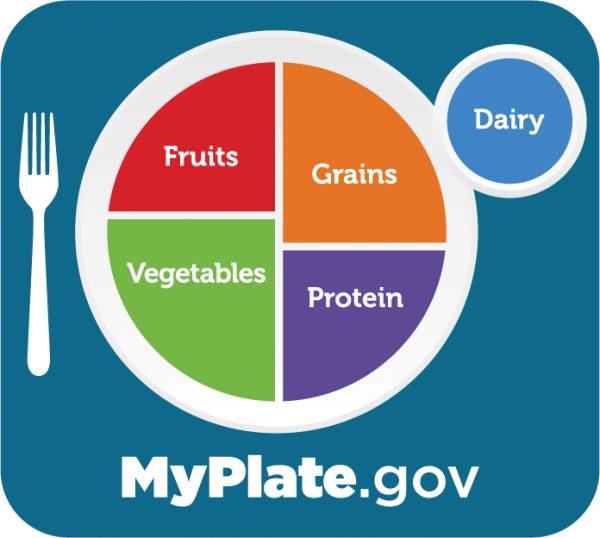
On Jan. 7, the U.S. Department of Health and Human Services (HHS) Secretary Robert F. Kennedy Jr. and U.S. Department of Agriculture Secretary Brooke Rollins released the Dietary Guidelines for Americans, 2025–2030 , outlining the new American nutritional policy: Eat Real Food. These new guidelines hold the biggest federal nutrition reset seen in over a decade. The idea of this campaign is pushing Americans to prioritize “real” food and combat the nation’s healthcare crisis of chronic illness and obesity. The idea of “real” food that they’re pushing though isn’t going to help this problem; it’s going to make it worse.
When the HHS and USDA reference real food, they mean “choosing foods that are whole or minimally processed and recognizable as food.” While this doesn’t sound bad looking at its face value, the specifics on what the best food in each group is where it gets foggy.
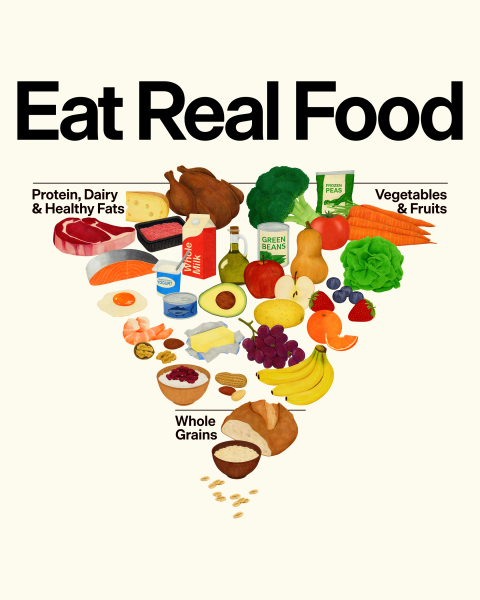
Taking a closer look at the pyramid, fat-filled foods like whole milk, cheese and red meat are on the same level as vegetables and fruits, taking up a large portion of the graph. These foods are not bad in moderation; fats are necessary in a healthy diet to keep cells functioning. But it’s the type of fats concentrated in these foods that are of concern. The World Health Organization (WHO) defines a healthy daily fat intake as 15-30 percent of your diet, prioritizing unsaturated fats (found in fish, avocado and nuts, and in sunflower, soybean, canola and olive oil) rather than saturated fats (found in fatty meat, butter, palm and coconut oil, cream, cheese, ghee and lard) and even limiting saturated fat intake to less than 10 percent of total energy intake. The foods that are marketed by Eat Real Food to be healthier are exactly the opposite.
Now the new Dietary Guidelines do guide people to limit their saturated fats to the WHO’s standards, but before the topic is even referenced in the Fact Sheet, calls for upping protein intake with those fat dense foods is the first bullet listed. Prioritizing proteins the way these guidelines have outlined pushes far over the 10 percent threshold. This is not the only part of this executive order that disregards science in wellness.
Kennedy and his advisors that heavily influenced Eat Real Food have little medical education and ties to industries like meat and supplements. Calley and Casey Means , Heather Leidy, and Donald Layman. are credited as some of Kennedy’s informal advisors and they each have their own reasons to profit from these new guidelines. Three of the nine members have received grants or done consulting work for the National Cattlemen’s Beef Association, and two of those members have financial ties to dairy industry organizations like the National Dairy Council. While these experts did not write the guidelines themselves, they reviewed the scientific evidence on which the guidelines are based on.
The updates made to the Dietary Guidelines rejected 30 of the 56 guidelines that the Dietary Guidelines Advisory Committee recommended for next five years. Rejected guidelines include supporting plant-forward dietary patterns and cautioning against consuming saturated fats . This scientific report had over half of its recommendations rejected by a group of people that have little to no knowledge of dietary sciences and have reason to push consumption of meat and dairy. The rejection of these recommendations is prevalent in the Eat Real Food pyramid.
The flip of the food pyramid directly affects the nutritional standards of the National School Lunch program, WIC, SNAP and food assistance. Understanding the dietary effects these guidelines have on the body is crucial to staying healthy.
Robert F Kennedy Jr does have one thing right; America does need to focus more on nutrition to address some chronic illnesses. But, the new dietary guidelines should be taken with a grain of salt.






Haley Montgomery • Mar 12, 2026 at 2:29 pm
Very well written and informative