

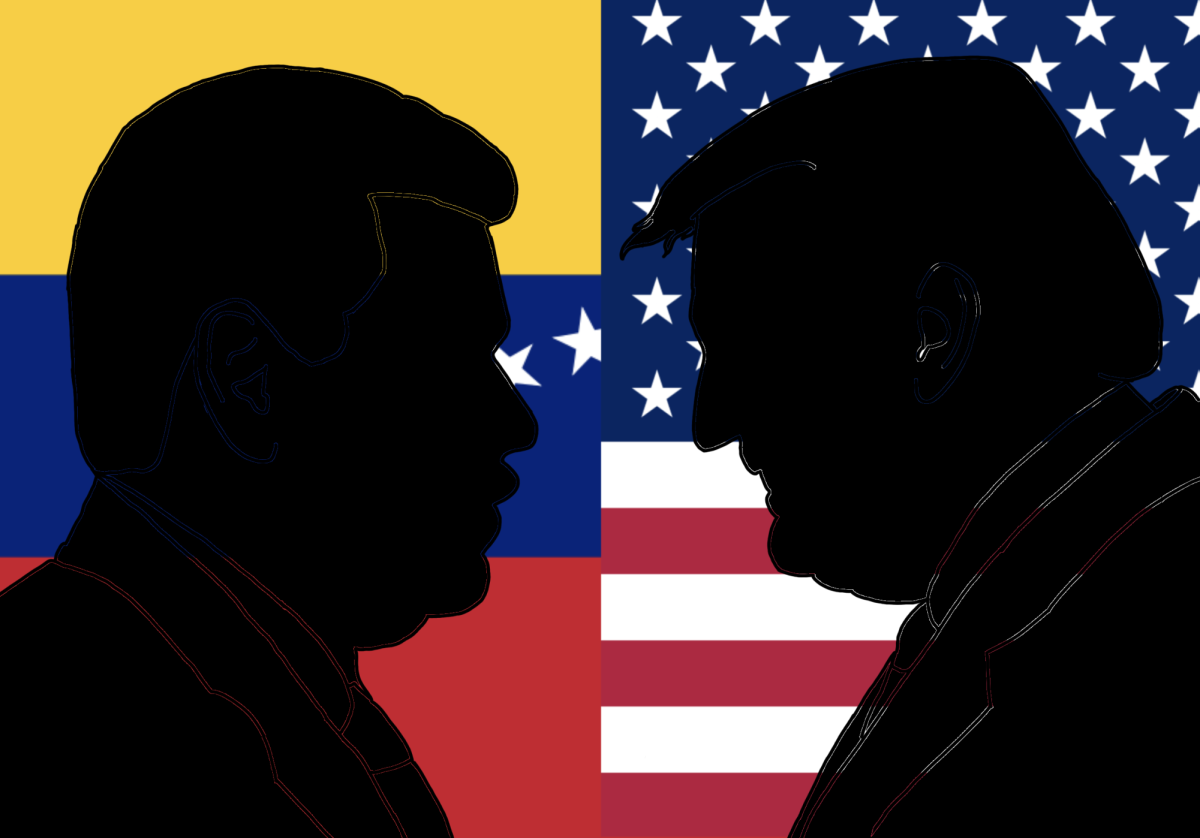
On Jan. 3, U.S. forces invaded Caracas, Venezuela to capture Nicolás Maduro and his wife Cilia Flores after months of increasing military pressure. They were flown by helicopter to the American warship Iwo Jima before being flown to the Stewart International Airport in Orange County, New York. They faced charges for drug trafficking and narco-terrorism in a federal court in Manhattan. The two pleaded not guilty.
Maduro’s vice president, Delcy Rodríguez, was sworn in as interim president on Jan. 5. The citizens of Venezuela either celebrated or condemned the capture of their dictator as concerns remain about the country’s future.
The Legality
The military operation to capture Maduro violates the terms in the international laws the U.S. agreed to after World War II with the United Nations Charter that was signed in Oct. 1945 with the intent to prevent another world war.
According to Geraldine McKelvie’s article, Is there any legal justification for the US attack on Venezuela?, “A central provision of this agreement – known as article 2(4) – rules that states must refrain from using military force against other countries and must respect their sovereignty.”
The Trump administration’s justification for the operation is self-defense against drug trafficking coming from Venezuela into the U.S.
McKelvie added, “Susan Breau, a professor of international law and a senior associate research fellow at the Institute of Advanced Legal Studies agreed that the attack could have only been considered lawful if the U.S. had a resolution from the UN security council or was acting in self-defence.”
Checks and Balances
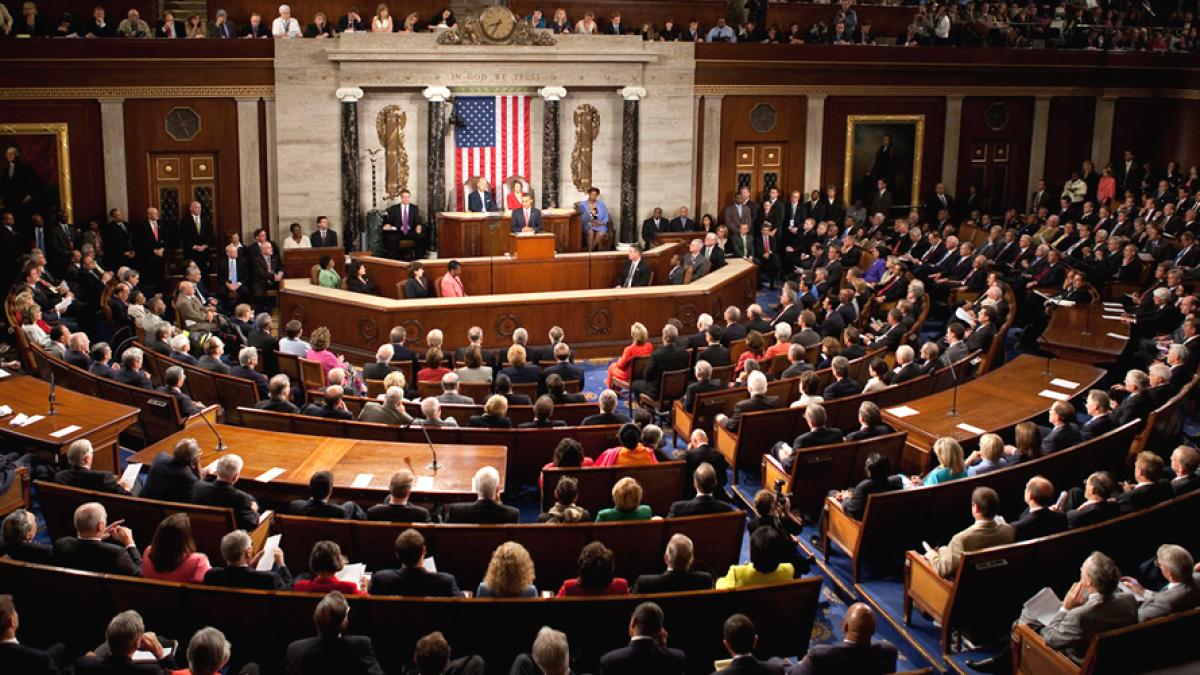
Operation “Absolute Resolve” was planned for months as U.S. forces practiced their plan and kept tabs on everything about Maduro— whereabouts, meals and what he wore. The operation wasn’t shared with Congress until after it had transpired.
The balance between the executive and the legislative branch in situations like Maduro’s capture is complicated; Olathe West government teacher Maegan Ruport comments on the situation’s constitutionality.
“The president has commander in chief power, according to Article II of the Constitution. This means that he can command and deploy the armed forces as he sees fit and can put boots on the ground in any hostility without Congressional approval,” Ruport said. “However, Congress, according to Article I, has the power to declare war. So, the balance of power there has always been a struggle.”
Congress passed the War Powers Act in 1973, limiting the President’s commander in chief powers. The president must get Congressional approval to keep troops deployed for longer than 60 days. There’s controversy over the constitutionality of this act, but historically, it has kept Congress in the loop and involved when the president deploys troops.
Furthermore, the legislative branch is intended to check and balance the power of the executive branch.
“Checks and balances is important in order to prevent tyranny,” Ruport said. “By separating the powers of the federal government into three branches, it ensures that no one person, or group of people, can attain ultimate power. There is always a check on that power by the other two branches. In a perfect world, this keeps them balanced.”
This structure has been established since the writing of the U.S. Constitution, but there’s factors that have tested these coequal powers.
“The struggle today is the influence of money and political parties within our government threatening to deteriorate this principle,” Ruport said.
With the capture of Nicolás Maduro, the head of state of a sovereign nation, these founding principles are at risk of deteriorating.
“My only hope is that the Constitution will prevail and the branches will hold each other accountable for their actions to ensure that the constitutional principles of separation of powers, checks and balances and limited government remain intact for the future,” Ruport said.





Haley Montgomery • Feb 1, 2026 at 12:05 pm
This is very informative and incredibly well written. Great job!